
What Is Prolonged Exposure Therapy and How It Helps You Heal from Trauma
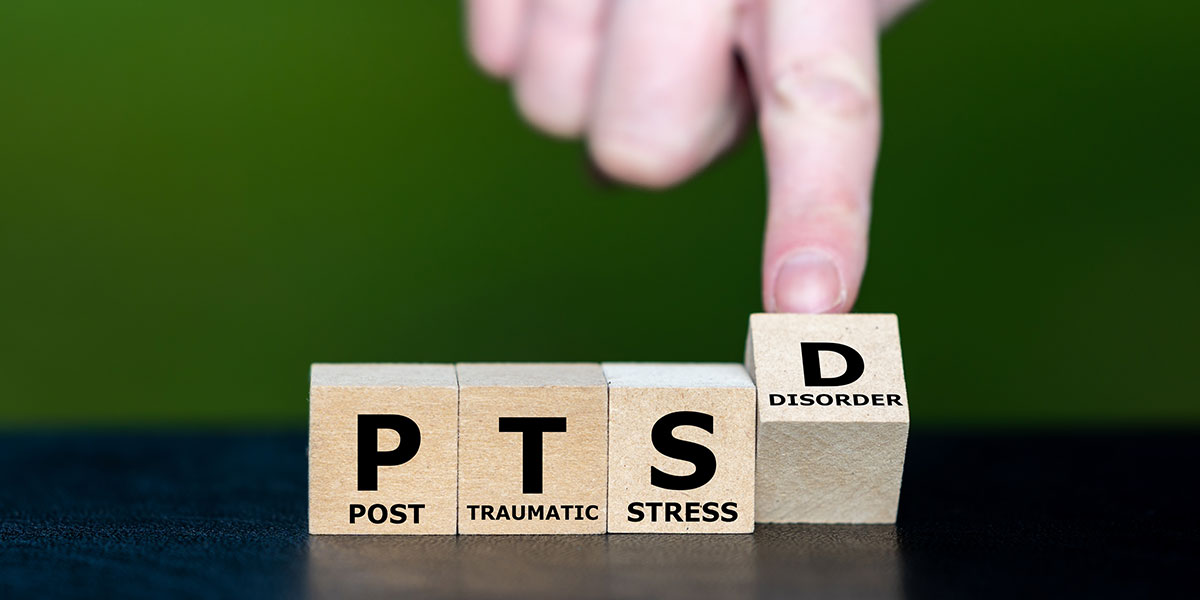
Prolonged exposure therapy is a structured, evidence-based psychological treatment developed to help individuals process traumatic memories. At Dynamic Psychology SA, we specialise in this therapeutic approach to support clients experiencing post-traumatic stress disorder (PTSD) and other trauma-related conditions.
What Is Prolonged Exposure Therapy?
Prolonged exposure therapy (PE therapy): the core aim of this therapy is to reduce the emotional distress of traumatic memories by repeatedly and safely confronting them, rather than avoiding them. This technique creates a pattern of habituation which over time lessen the intensity of the traumatic memories. Remembering is not reliving.
This confusion between remembering and being retraumatized explains why people with PTSD are so anxious and distressed when they think about the trauma. Fear is an emotion we have when we feel imminent danger. However, remembering a trauma that occurred 2 or 3 years ago is not dangerous. But if, when remembering, you feel as if you are traumatized again, it makes sense that you will be very anxious. Revisiting the traumatic memory again and again will help the patient strengthen the differentiation between the present (remembering) and the past (being traumatized), and as a result, remembering the trauma will cease to elicit distress and anxiety. Finally, repeated imaginal exposure for an extended period of time will lower anxiety.
Avoidance may offer short-term relief, but in the long run, it often reinforces fear and anxiety. Prolonged exposure therapy helps to break this cycle by providing individuals with the tools and support to confront what they fear in a safe and structured way.
How Does Prolonged Exposure Therapy Work?
Prolonged exposure therapy typically takes place over 6 to 10 sessions, depending on the individual situation.
Clients begin by learning about trauma, PTSD, and how avoidance can maintain symptoms. This foundation helps build confidence in the treatment process and fosters a sense of control. During therapy sessions, individuals are guided to vividly recall and describe their traumatic experiences in detail with their eyes closed. They will also be required to audio-recording the session and then listening to the audio at home every day for the treatment period. By revisiting these memories, they gradually reduce the distress associated with them and reframe how they perceive the trauma.
The Benefits of Prolonged Exposure Therapy
Research shows that prolonged exposure therapy is one of the most effective treatments for PTSD. Its benefits include:
- Significant reduction in PTSD symptoms such as flashbacks, nightmares, and emotional numbness.
- Decreased reliance on avoidance strategies that limit daily life
- Improved emotional regulation and reduced fear response
- Enhanced daily functioning, including better relationships, sleep, and concentration
In summary, the rationale for imaginal exposure includes the following five points:
- Processing and organizing the memory
- Promoting differentiation between “remembering” the traumatic event and “being retraumatized”
- Promoting habituation
- Promoting differentiation between the traumatic event and similar events
- Increased mastery and sense of control
Who Can Benefit from Prolonged Exposure Therapy?
Prolonged exposure therapy is designed to help individuals who have experienced trauma and are struggling to process its emotional and psychological impact.
This therapy is suitable for people who have experienced:
- Single-incident trauma, such as a car accident, physical assault, natural disaster, or medical emergency
- Complex or repeated trauma, including ongoing childhood abuse, domestic violence, or sexual trauma
- Combat or military trauma, including exposure to life-threatening situations and loss
- Witnessing traumatic events, such as first responders, police officers, or those who have seen others harmed or killed
- Medical or health-related trauma, such as surviving cancer, undergoing emergency surgery, or experiencing complications during childbirth
You may benefit from prolonged exposure therapy if you are:
- Avoiding reminders of the trauma, including people, places, conversations, or activities
- Experiencing intrusive symptoms, such as flashbacks, distressing dreams, or involuntary memories of the event
- Feeling emotionally numb or detached, which may affect your relationships or ability to connect with others
- Overwhelmed by fear or anxiety, including constant hypervigilance or being easily startled
- Struggling with guilt, shame, or self-blame, particularly if your trauma involved moral injury or a sense of responsibility
- Facing difficulties in daily functioning, such as at work, in social settings, or with personal self-care
Importantly, prolonged exposure therapy is appropriate for both recent trauma and long-standing trauma from the past. Whether your experiences occurred months or decades ago, the brain can still process and heal from them with the right support.
If any of the above resonates with you, prolonged exposure therapy could be a vital step in your recovery journey.
Prolonged Exposure Therapy at Dynamic Psychology SA
At Dynamic Psychology SA, we provide a trauma-informed and client-centred approach to prolonged exposure therapy. Our lead psychologist, Alessandra, integrates PE therapy with complementary strategies such as imagery rescripting, ensuring that each treatment plan is tailored to the individual’s emotional readiness and unique needs.
We recognise that revisiting traumatic memories can feel overwhelming. That’s why we create a safe, supportive environment where you are never rushed and always respected. Our goal is to help you regain a sense of control, meaning, and peace in your life.
Begin Your Healing Journey
Starting therapy can be one of the most courageous steps you take toward reclaiming your life from trauma. At Dynamic Psychology SA, we are committed to walking alongside you with professionalism, care, and evidence-based techniques that truly work.